-
 play_arrow
House Nation Radio.FM House Frequencies 24/7
Broadcasting House Frequencies 24/7

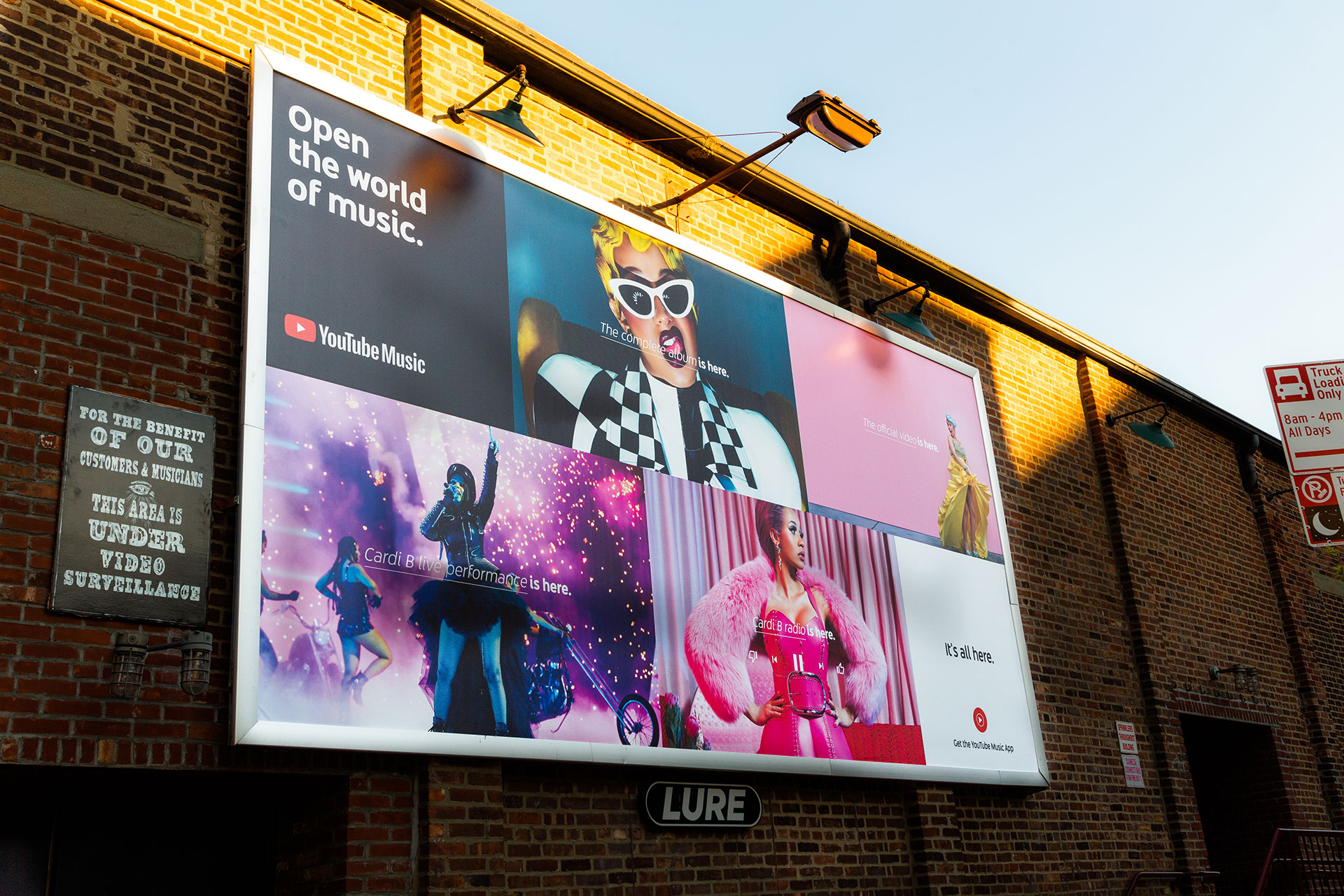
YouTube Streams to Be Removed from Billboard Charts — What It Means for Dance Music
In a surprising shakeup for the music industry, YouTube has announced it will stop contributing its streaming data to the Billboard charts starting January 16, 2026. This decision comes after years of debate between the video platform and the charting authority over how streams should be weighted and valued — particularly the balance between paid-subscription plays and ad-supported streams.
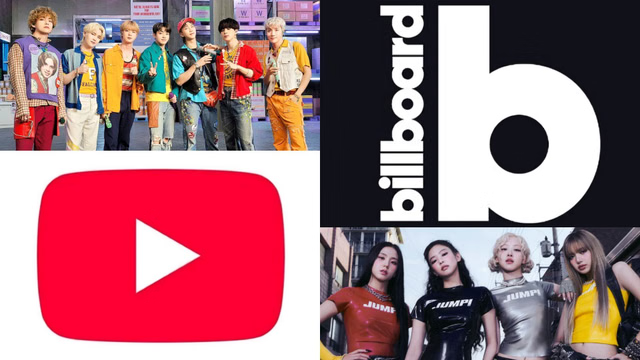
For artists, DJs, and producers in house and electronic music, this change raises big questions about how success is measured in an era where visibility and virality often start on platforms like YouTube.
Why YouTube Is Pulling Out
YouTube says its data is being undervalued under the current charting model. Billboard recently announced that it would adjust its methodology — lowering the gap between how paid and ad-supported streams count toward chart points — but YouTube claims even this doesn’t fully reflect the platform’s user engagement.
The heart of the disagreement centers on weighting. Under the updated system Billboard outlined, ad-supported streams are being given more credit than they used to, narrowing the differential between free and paid listening. But according to YouTube, this still doesn’t adequately acknowledge the platform’s contribution — particularly for videos and tracks that gain momentum through organic discovery, playlists, and influencer-driven sharing.
So, from mid-January, YouTube will no longer supply stream data for the Hot 100, Billboard 200, and other key charts.
What This Could Mean for House & Electronic Artists
For many house musicians, especially those early in their careers or rooted in underground scenes, YouTube isn’t just a charting channel — it’s one of the most powerful discovery engines available. DJs and producers frequently post live sets, visuals, edits, and performance clips that ripple through communities far faster than traditional platform metrics.
If YouTube data stops counting in major charts, there could be noticeable effects:
1. Visibility vs. Metrics
A track that breaks through on YouTube — gathering views through clips, visuals, livestreams, or dance videos — may no longer be reflected in chart positions even if it dominates social engagement. That disconnect could skew recognition toward artists who perform better on paid-streaming platforms.
2. Strategic Release Planning
Artists and labels might rethink their rollout strategies. Currently, major releases often coordinate across platforms — from Spotify to Apple to YouTube — to maximize combined chart impact. Removing YouTube’s contribution may shift focus back toward premium subscription services for momentum.
3. The Social Media Paradox
House music thrives on community and sharing. A producer friend might post a track snippet that goes viral, driving electrifying engagement. But if that buzz doesn’t translate to data counted in charts, the industry might undervalue what’s really happening in real time on the dancefloor and behind screens.
A Potential Shift in How Success Is Measured
Billboard insists its methodology shift is designed to balance consumption and revenue analysis — but reaction across the industry has been mixed. Some see the move as inevitable in a streaming landscape that’s constantly shifting; others worry it diminishes the importance of platforms where real world engagement often starts.
For house and electronic artists, the story underscores a longer-running truth: charts are only one lens on success. Viral traction, DJ support, mix placements, TikTok moments, community sharing, playlists, and live performances all play roles that charts can’t always capture.
What Listeners Should Watch
As this change rolls out in early 2026, keep an eye on:
-
How chart entries reflect house and dance tracks that are already popular in clubs and online
-
Whether releases that are huge on YouTube but less so on paid streaming still get industry recognition
-
How artists adapt their promotional strategies around this new landscape
The real test will come next year, as releases that might have previously cracked charts through combined platform data are evaluated under the new rules.
For communities like ours at HouseNationRadio.fm, this is a reminder that engagement and culture drive influence, not just chart positions — and house music’s pulse has always been measured in crowds, dancefloors, and shared moments long before it’s calculated on a list.