-
 play_arrow
House Nation Radio.FM House Frequencies 24/7
Broadcasting House Frequencies 24/7

Live Nation CEO Says Concert Tickets May Be “Underpriced” – Industry Debate Follows
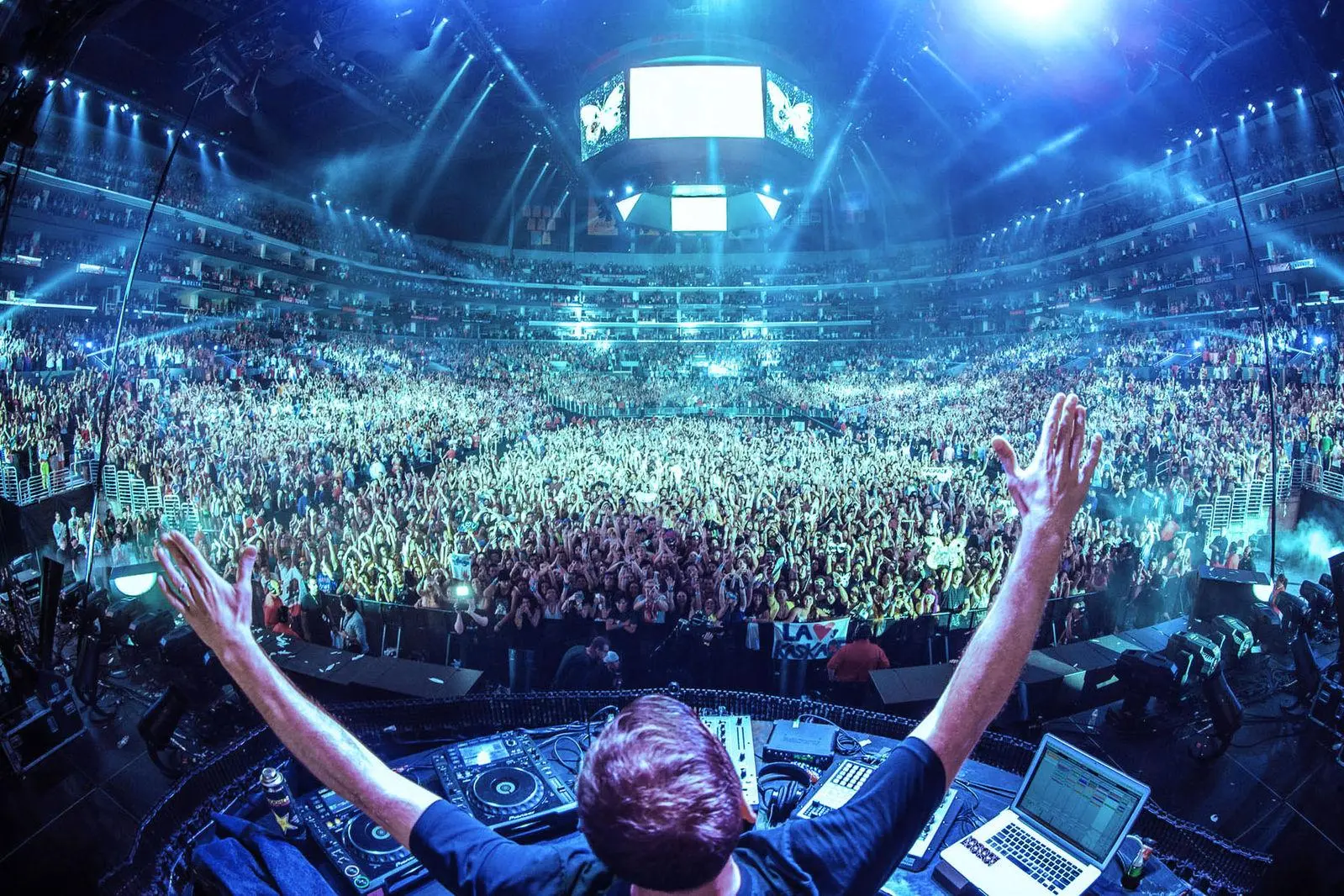
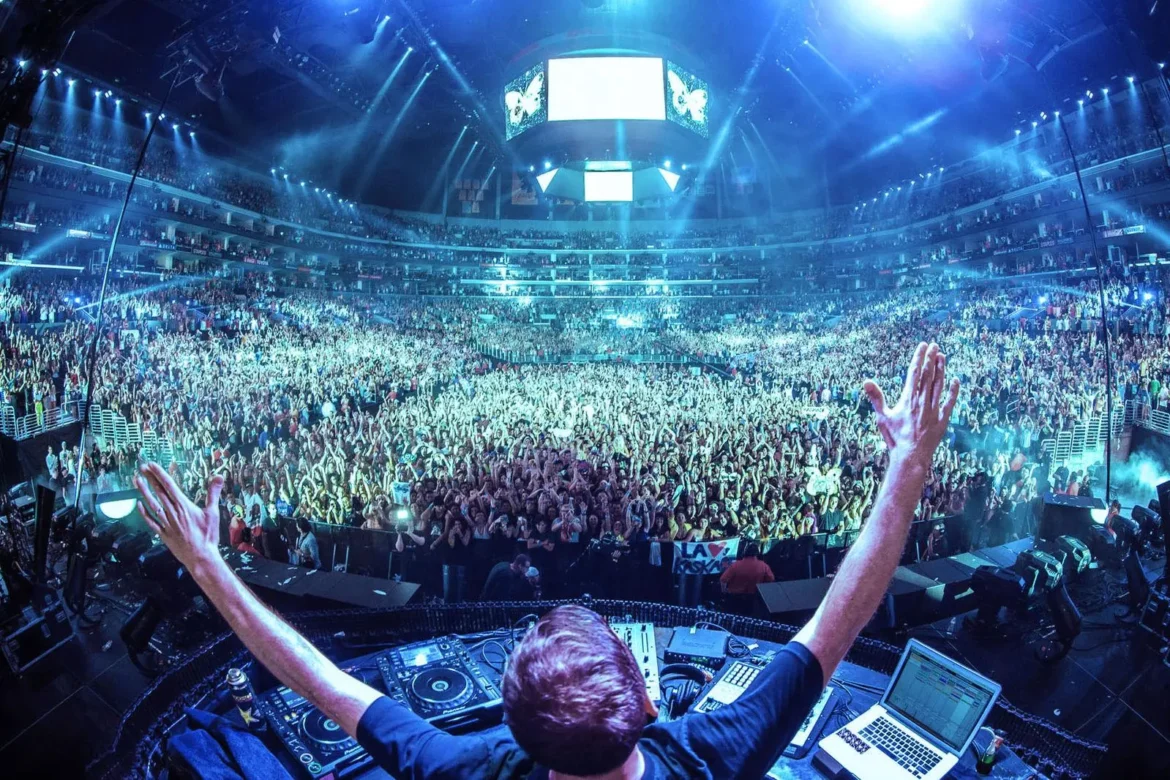
A recent statement from the head of Live Nation Entertainment has reignited debate across the music industry. The company’s CEO suggested that many concert tickets may actually be “underpriced,” arguing that high demand for major tours indicates that ticket values are not fully reflecting their market worth.
The comments come at a time when live music continues to dominate the global entertainment economy. Over the past few years, stadium tours and arena events have generated record-breaking revenue, with artists selling out shows within minutes of tickets going on sale. From a purely economic perspective, the argument is straightforward: if millions of fans are willing to pay higher prices through resale markets, the initial ticket price might not be capturing the true demand.
But the statement has struck a nerve with fans, artists, and industry observers who argue that ticket prices are already reaching uncomfortable territory.
The Supply and Demand Argument
From the promoter’s perspective, ticket pricing follows a familiar economic model. When a global superstar announces a limited run of shows, demand often far exceeds supply. With millions of fans attempting to secure tickets for a few thousand seats, prices inevitably climb.
Supporters of the argument say this dynamic has already been playing out through secondary ticket markets. In many cases, tickets purchased at face value are resold for several times the original price. Advocates for dynamic pricing systems claim they help redirect that revenue back toward the artists and promoters rather than resellers.
Still, critics argue that dynamic pricing models – often implemented through platforms like Ticketmaster, which is also owned by Live Nation—can make the buying process unpredictable and frustrating for fans.
Fans Push Back
For music lovers, the idea that tickets are “too cheap” feels disconnected from reality. In recent years, attending a major concert has become significantly more expensive when factoring in service fees, travel costs, and resale markups.
Consumer advocacy groups and some artists have criticized ticketing systems for enabling price surges during high-demand events. Many fans say that even when face-value tickets appear reasonable, the total cost after fees can make shows inaccessible to younger audiences and long-time supporters alike.
In response, governments in several countries have started examining ticketing practices, resale markets, and fee structures in an attempt to improve transparency.
What This Means for Dance and Electronic Music
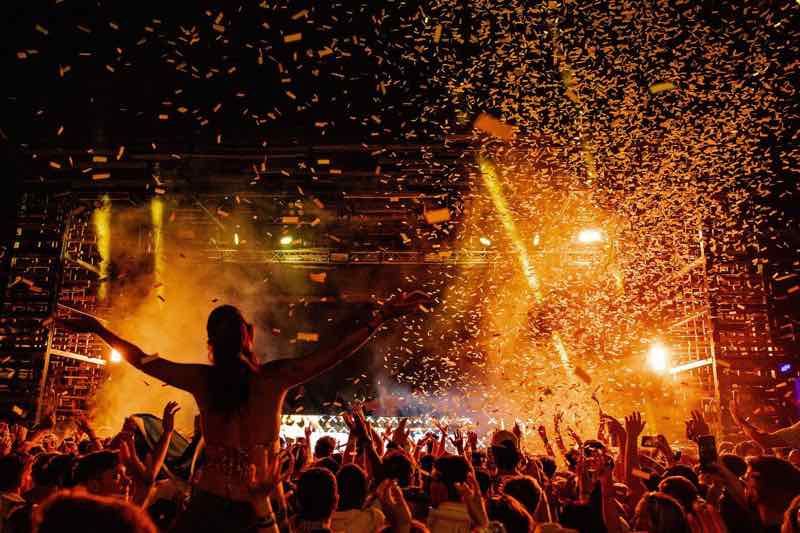
For the house and electronic music community, the conversation takes on a slightly different dimension. Unlike large-scale arena tours, many dance events still thrive in clubs, festivals, and underground venues, where ticket prices are often lower and the focus remains on the collective dancefloor experience.
However, the broader economics of live music still influence the scene. Large electronic festivals, global DJ tours, and premium club residencies increasingly operate within the same pricing ecosystem as mainstream concerts. As demand for electronic music grows worldwide, the balance between accessibility and profitability will likely remain an ongoing discussion.
The Future of Live Music Pricing
The debate ultimately highlights a larger question: how should live music balance fair compensation for artists and crews with affordable access for fans?
As technology reshapes ticketing systems and global demand for live entertainment continues to rise, pricing strategies will remain under scrutiny. What’s clear is that live music has never been more valuable culturally -or commercially.
For fans of house and electronic music, the hope is that the dancefloor remains a space where community, connection, and music take priority over economics.